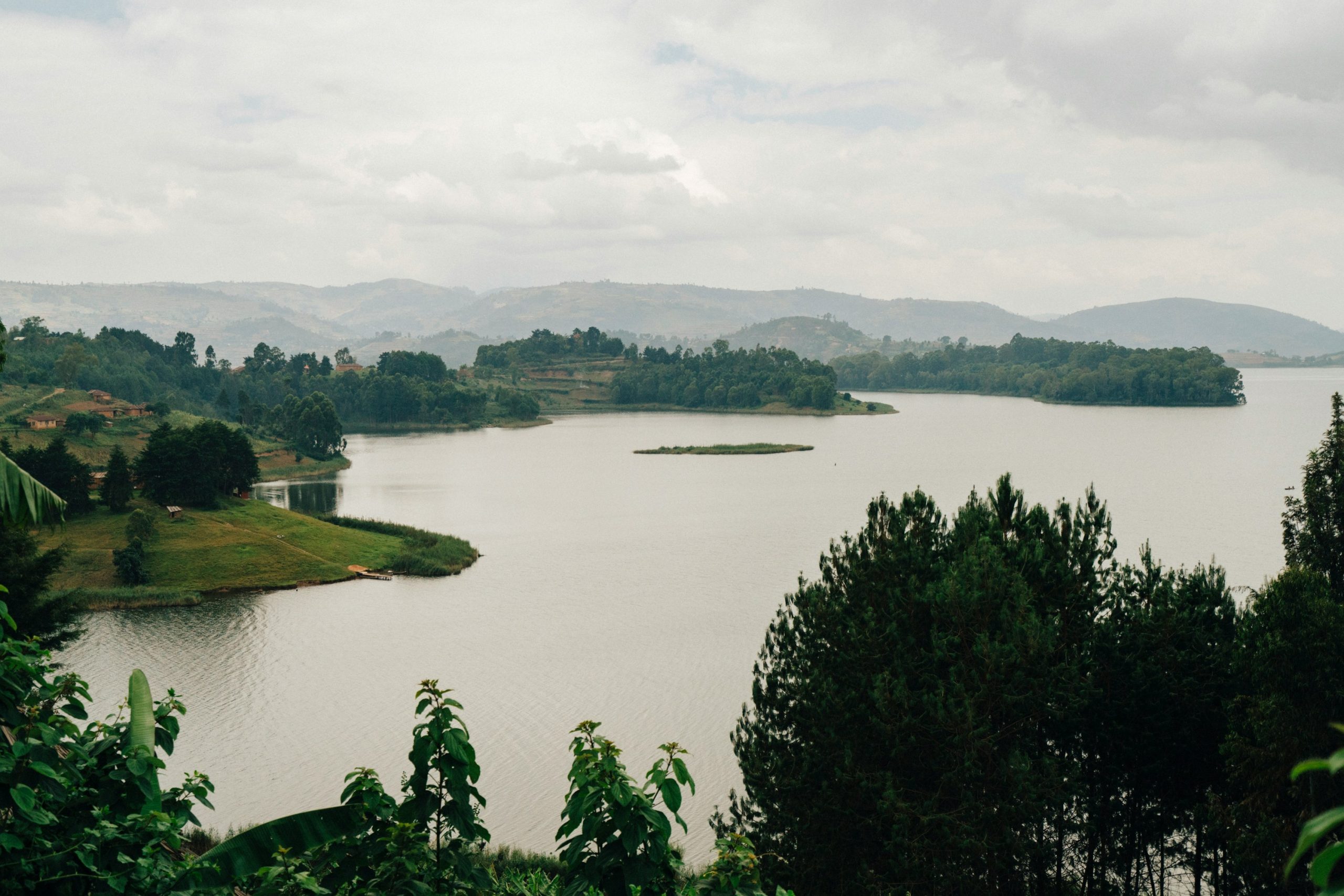
Tourism in Uganda: How the Pearl of Africa Has Transformed Over the Years
Uganda, fondly known as the “Pearl of Africa”, has long been a land of breathtaking landscapes, rare wildlife and vibrant cultures. Over the decades, the country’s tourism industry has evolved dramatically, reflecting changes in political stability, conservation efforts, infrastructure, and global travel trends.
From the early days of adventure-seeking explorers to today’s luxury safaris and eco-tourism lodges, tourism in Uganda tells a story of resilience, innovation and the increasing global appeal of East Africa’s hidden treasures.
Early Tourism: Explorers and Adventure Seekers
Uganda’s tourism history began in the colonial era, when the first explorers, missionaries and scientists ventured into its lush forests and savannahs.
- Early tourism focused on natural exploration, with visitors trekking forests and rivers in search of gorillas, chimpanzees, and exotic wildlife.
- Safari experiences were adventurous and rugged, often requiring weeks of travel by boat, foot, or early motor vehicles.
- Uganda’s mountain gorillas, discovered by explorers like George Schaller, attracted international attention, laying the groundwork for modern eco-tourism.
During this period, tourism was limited and accessible only to the wealthy or highly adventurous, but it established Uganda’s reputation as a wildlife-rich, naturally beautiful destination.
The 1970s–1980s: Challenges and Decline
Political instability, especially during the Idi Amin regime (1971–1979), severely affected Uganda’s tourism industry:
- Many wildlife habitats were neglected, and poaching increased dramatically.
- Tourist arrivals dropped significantly due to safety concerns.
- National parks and conservation programs suffered from underfunding and mismanagement.
Despite these challenges, small pockets of dedicated conservationists worked to protect key species, laying the foundation for recovery in later decades.
The 1990s: Recovery and Revival
The 1990s marked a turning point for Uganda tourism, driven by:
- Political stability under the new government
- Investment in national parks and infrastructure
- International media exposure highlighting mountain gorillas and natural wonders
Key developments included:
- Bwindi Impenetrable National Park became a prime destination for gorilla trekking.
- Murchison Falls and Queen Elizabeth National Parks underwent modernization of roads, lodges and park management.
- Partnerships with global NGOs and conservation organizations helped improve wildlife protection and sustainable tourism practices.
Tourist arrivals began to increase steadily, signaling Uganda’s emergence as a safe and exciting safari destination.
The 2000s: Modern Eco-Tourism and Gorilla Safaris
By the early 2000s, Uganda’s tourism industry had embraced eco-tourism and conservation-based experiences:
- Gorilla trekking became a world-renowned attraction, with strict permit systems to protect these endangered primates.
- Safari tours became more structured, with guided 4×4 safaris, birdwatching trips, and walking tours in national parks.
- Community involvement increased, with programs ensuring local communities benefit directly from tourism, fostering sustainable growth.
Uganda also invested in luxury lodges, eco-camps, and boutique hotels, attracting a mix of adventure travelers and high-end tourists.
Tourism Today: Diverse, Sustainable and Global
Today, Uganda’s tourism is a dynamic and multi-faceted industry, offering something for every type of traveler:
Wildlife and Safari Tourism
- Gorilla trekking in Bwindi Impenetrable Forest and Mgahinga Gorilla National Park remains a top draw.
- Big cat and savannah safaris in Murchison Falls, Kidepo Valley, and Ishasha attract photographers and wildlife enthusiasts.
- Birdwatchers come to see Uganda’s over 1,000 bird species, making it a top destination for ornithology tourism.
Adventure Tourism
- White-water rafting on the Nile, hiking to Rwenzori Mountains peaks and kayaking in Lake Bunyonyi are increasingly popular.
- Eco-lodges and guided treks provide immersive experiences for nature lovers and thrill-seekers.
Cultural and Community Tourism
- Visitors engage with local tribes like the Batwa, Maasai and Basoga, learning traditional lifestyles, crafts and music.
- Community-led tourism projects allow travelers to contribute directly to local development, creating a meaningful impact.
Infrastructure and Technology
- Roads to key parks have improved, allowing quicker and safer access.
- Digital marketing, online bookings and global exposure have made Uganda more accessible to international tourists.
- Conservation efforts are now linked to tourism revenue, ensuring that ecological protection goes hand in hand with economic growth.
Rare Facts About Uganda’s Tourism Transformation
- Uganda is home to more than half of the world’s remaining mountain gorillas, making conservation-driven tourism vital.
- The eco-tourism model ensures that for every gorilla permit sold, local communities receive a percentage of the revenue.
- Adventure tourism, once limited to expert explorers, now includes family-friendly options, broadening Uganda’s appeal.
- Birdwatching tourism has grown by over 30% in the past decade, reflecting Uganda’s position as an East African avian hotspot.
These facts illustrate how tourism has evolved from exclusive, high-risk exploration to sustainable, inclusive, and globally competitive experiences.
Local being impact.
Tourism in Uganda is not just an industry, it’s a lifeline for wildlife, local communities and cultural preservation:
- Locals now depend on tourism for income, from lodge management to guiding and handicrafts.
- Conservation efforts funded by tourism protect endangered species like mountain gorillas, lions, and shoebills.
- Travelers experience life-changing encounters with wildlife, creating stories that last a lifetime.
Many visitors report emotional connections when tracking gorillas, watching lions under acacia trees, or paddling in Uganda’s serene lakes. Tourism has become a bridge between humans and nature, fostering appreciation, awareness and responsibility.
Looking Forward: The Future of Uganda Tourism
Uganda’s tourism is poised for continued growth and innovation:
- Sustainable tourism will remain central, balancing visitor numbers with conservation.
- Expansion of adventure, cultural, and eco-tourism products will attract new global audiences.
- Technology will enhance visitor experiences, including virtual tours, GPS tracking, and wildlife monitoring apps.
- Community-led initiatives will ensure equitable benefits, preserving cultural heritage while supporting livelihoods.
Uganda’s journey shows how tourism can evolve responsibly, protecting the environment, empowering communities, and creating unforgettable experiences for travelers worldwide.
From rugged exploration in the early 20th century to modern, sustainable safaris and eco-tourism experiences, Uganda has transformed into a global tourism destination. Its evolution tells a story of resilience, innovation and harmony between humans and nature.
Visitors now enjoy not just the thrill of wildlife encounters but also meaningful cultural experiences, adventure tourism, and the satisfaction of contributing to conservation and community development.
Uganda’s tourism industry exemplifies how a country can honor its natural treasures, embrace sustainability, and share its wonders with the world, truly living up to its title as The Pearl of Africa.